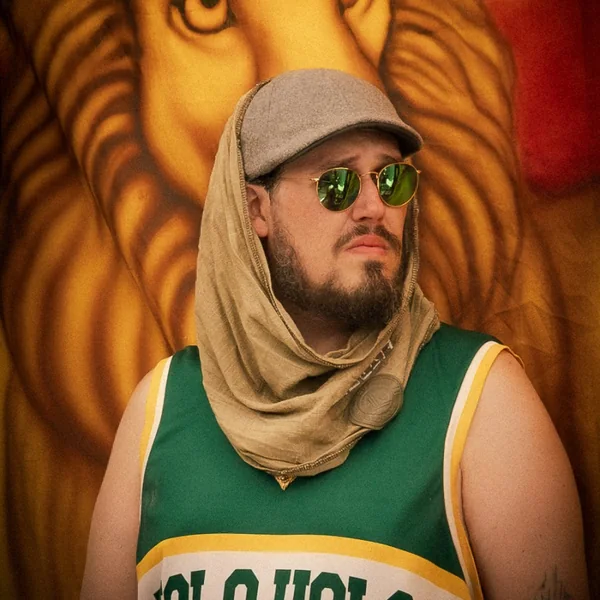
Bloodywood's Portland Stop at Crystal Ballroom Felt Like Four Different Worlds Colliding
Some tours are built around a headliner and a few names underneath. This one felt more like a traveling argument for how wide heavy music can actually be.
When Bloodywood brought the System of a Brown Tour 2026 to McMenamins Crystal Ballroom in Portland on April 16, 2026, the bill ran in order from ANKOR to Ladrones to The Pretty Wild before finally landing on Bloodywood. This was one of those rare nights where the whole lineup felt intentionally curated instead of just stacked.
This article was built with on-site notes from Eileen Crawford for Music Coast, and what stands out most from her perspective is how different each band felt while still making sense on the same stage. This was not four variations of the same sound. It was four different entry points into heaviness, each hitting the room a different way.
ANKOR opened the night like a metal anime intro come to life
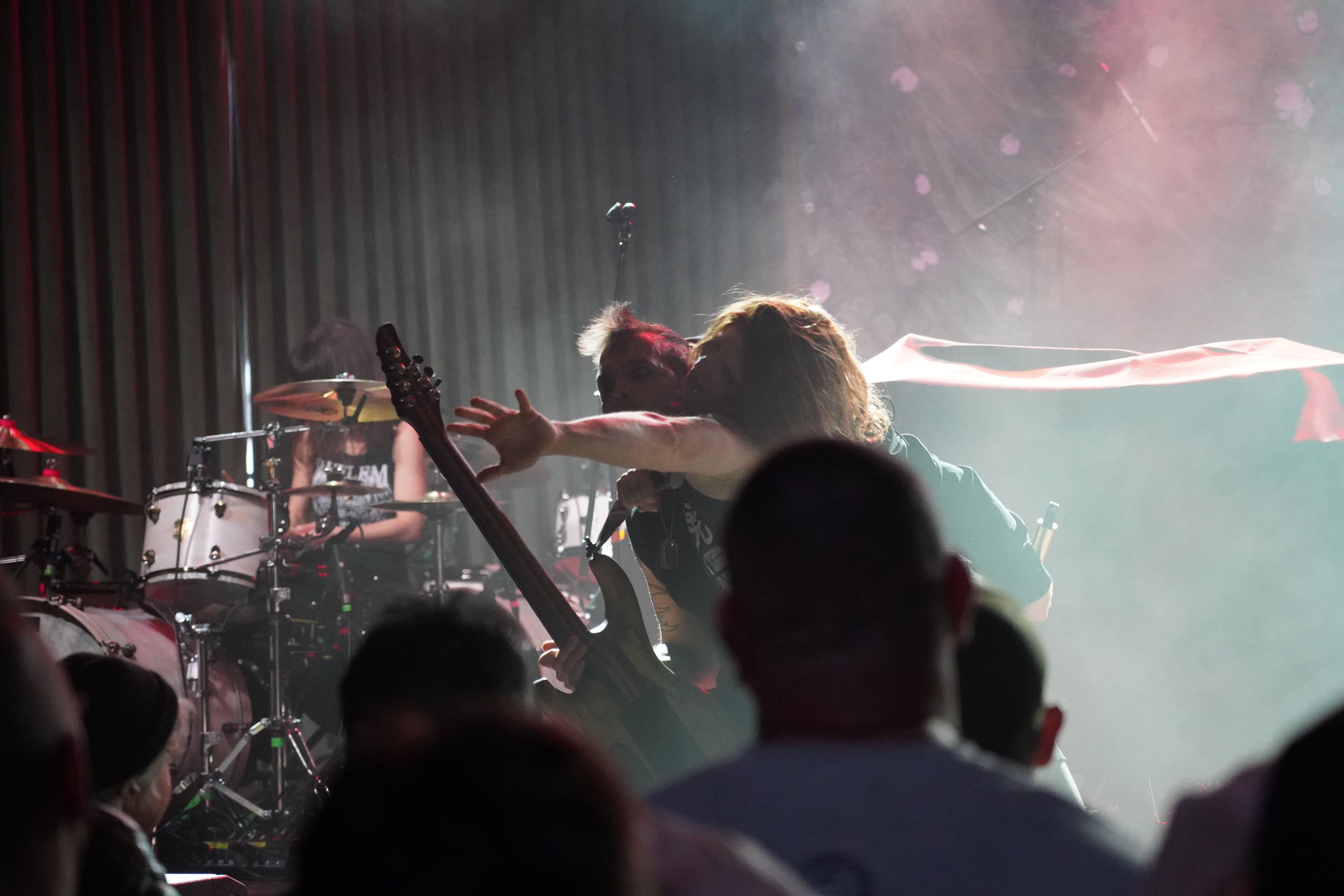
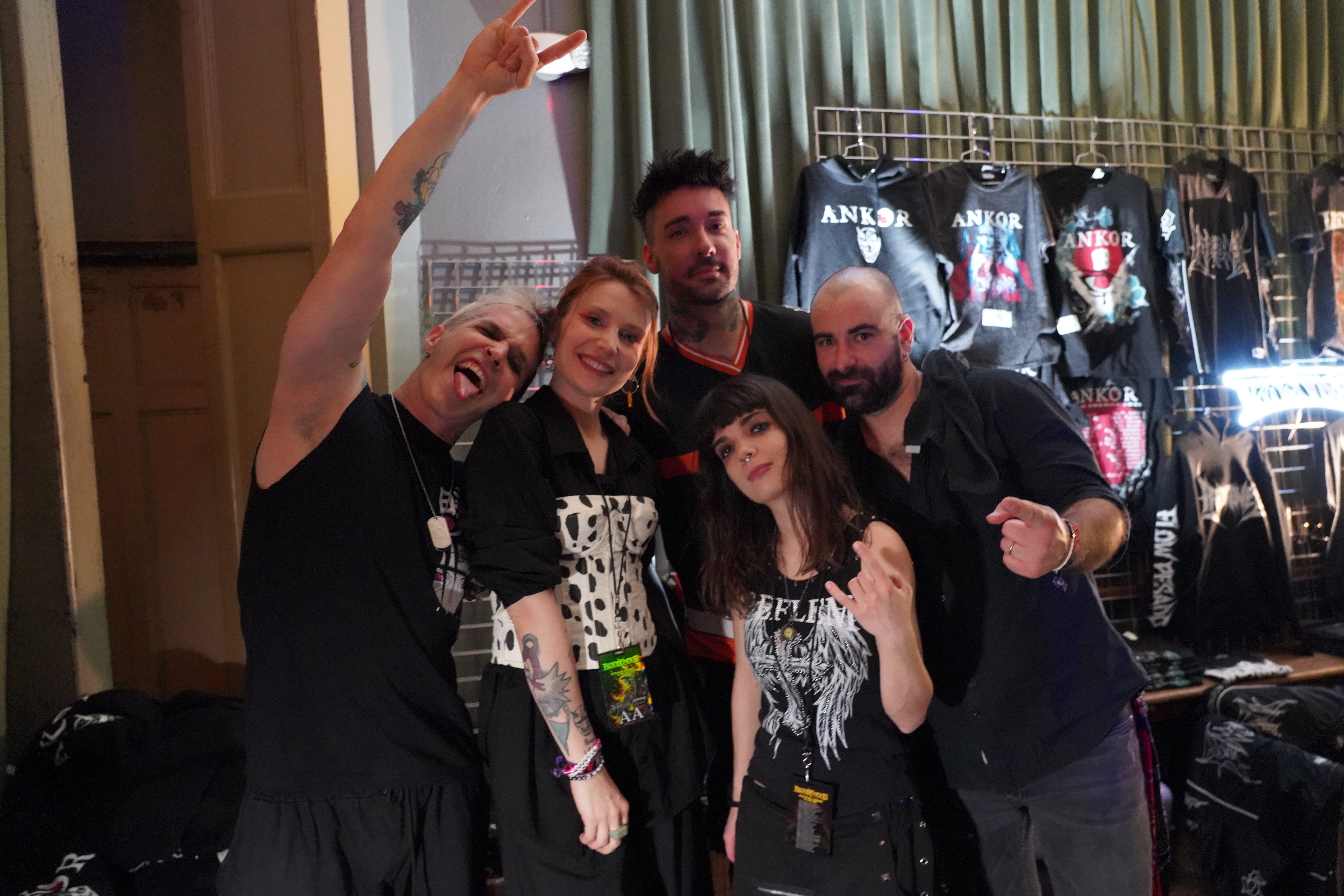
First up was ANKOR, the Catalonia-based band currently making its way through what the band has described as its first North American tour, carrying the momentum of recent music like Shoganai into rooms that are just now getting their first real shot at seeing them live.
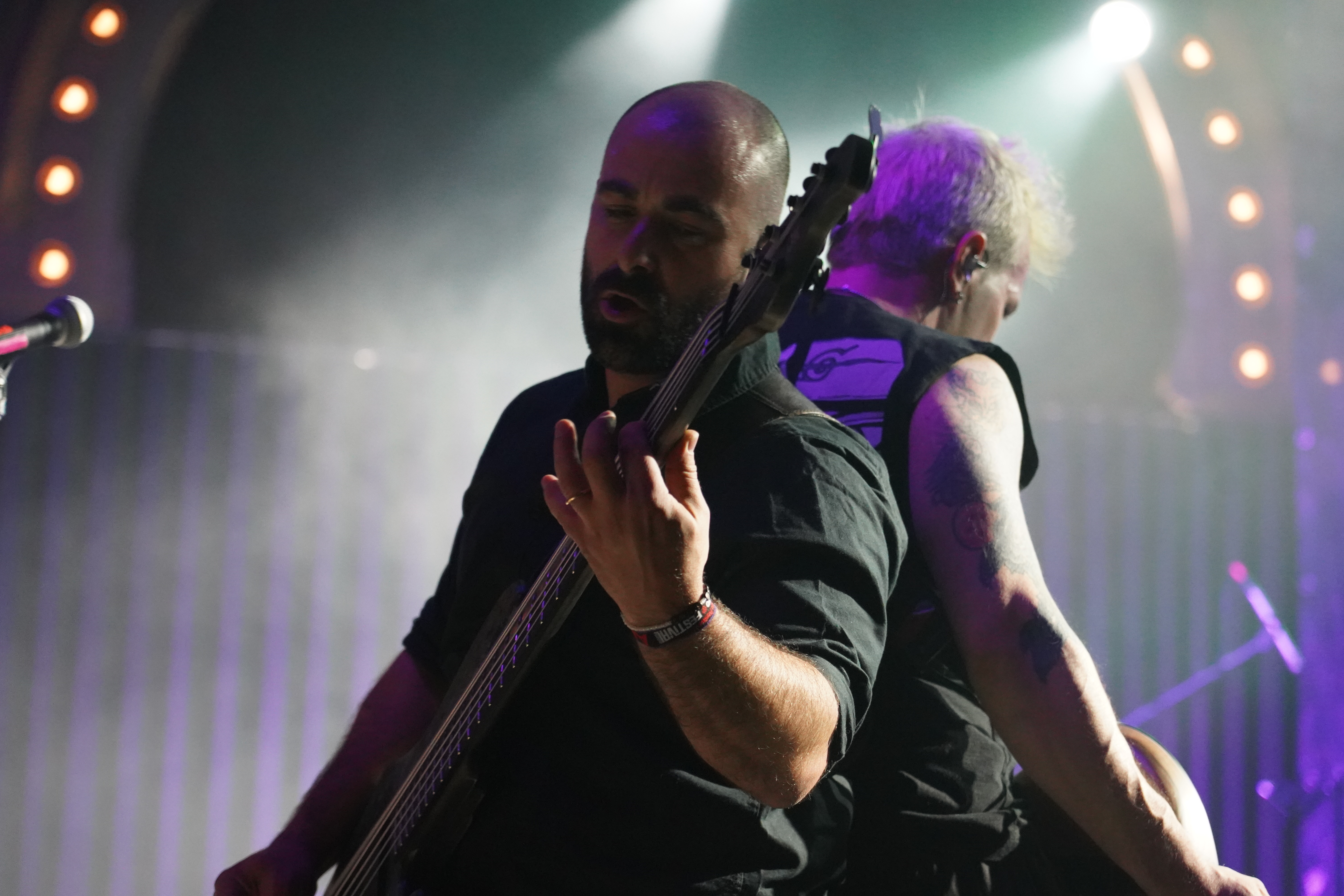
Eileen's read on ANKOR was instant and vivid: in some moments, they sounded like an anime opening theme smashed into modern metal, with flashes of Evanescence-style drama running through the set. She wrote that the band sounded so polished it almost felt prerecorded, not because it seemed fake, but because the vocals and instrumentation landed with that much clarity. The crowd interaction mattered too. Eileen clocked how well they guided the room's movement, and the whole "puppeteer acting" element gave the set a theatrical edge that made them feel like more than just the first band of the night.
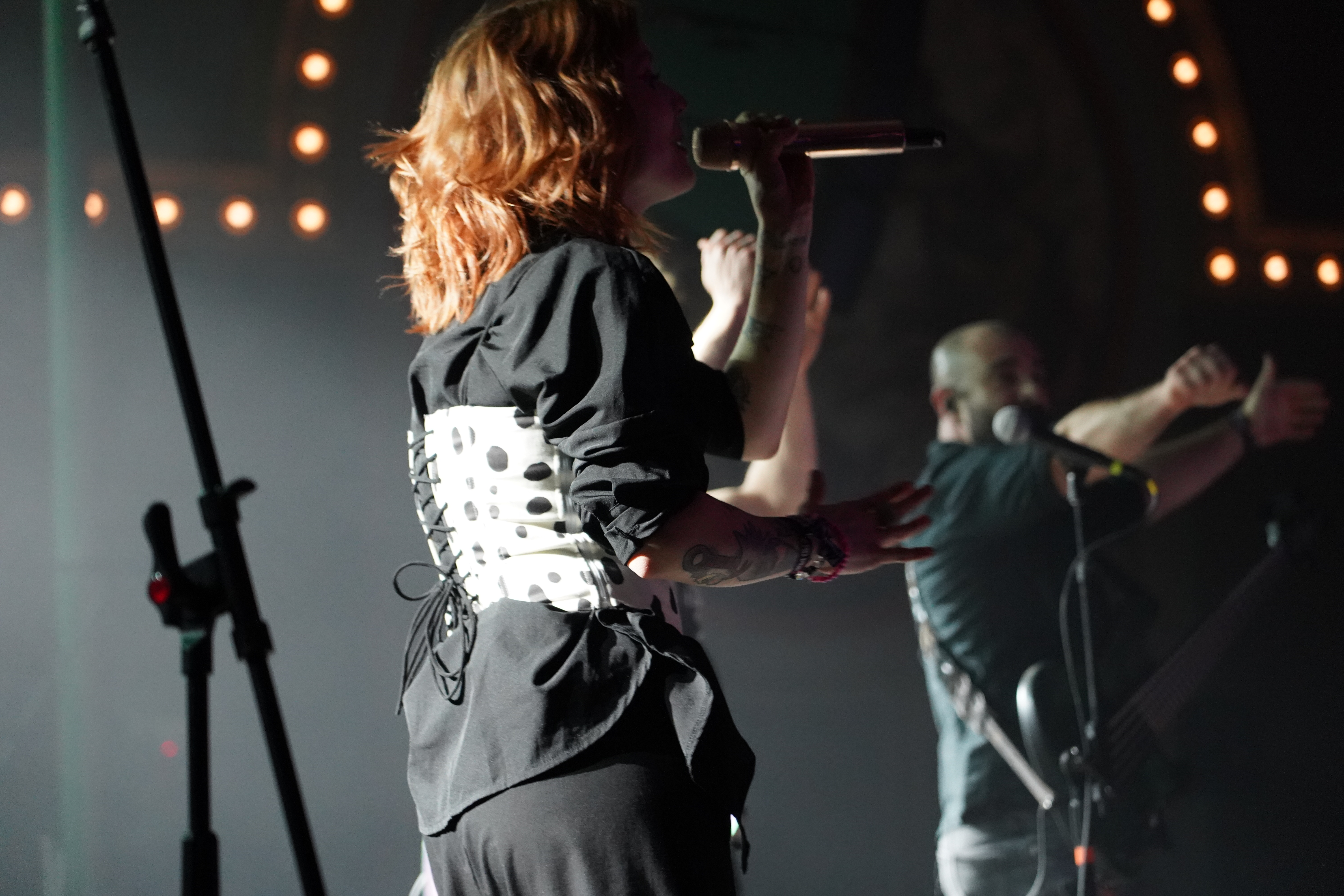
That kind of opener matters on a bill like this. ANKOR did not just warm the room up - they gave the crowd permission to meet the whole night with some imagination.
Ladrones turned language into another form of impact
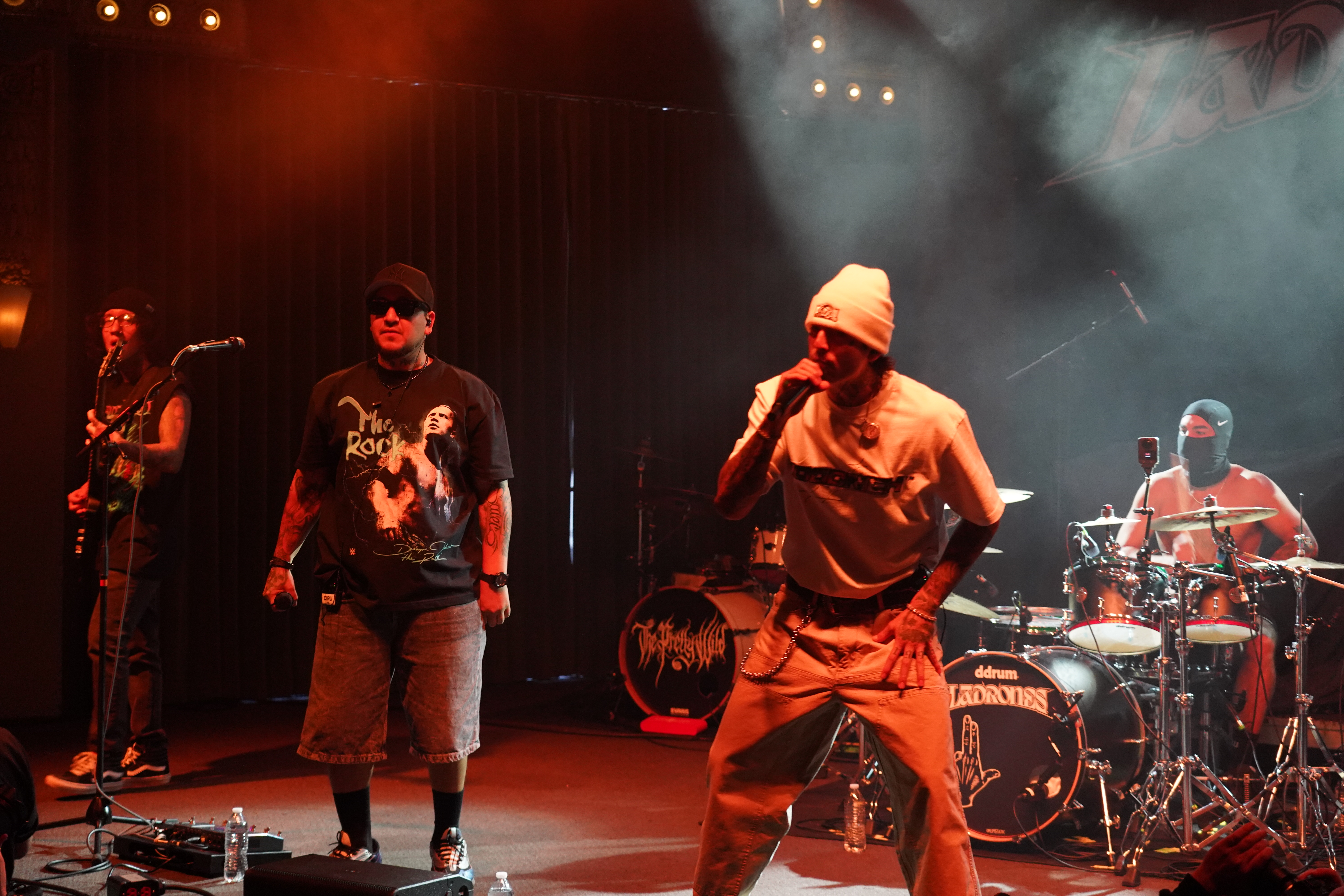
Next came Ladrones, the Guadalajara band whose sound blends rock and metal with hip-hop and regional Mexican influence. They brought a different kind of weight to the room - one built not just from heaviness, but from identity.
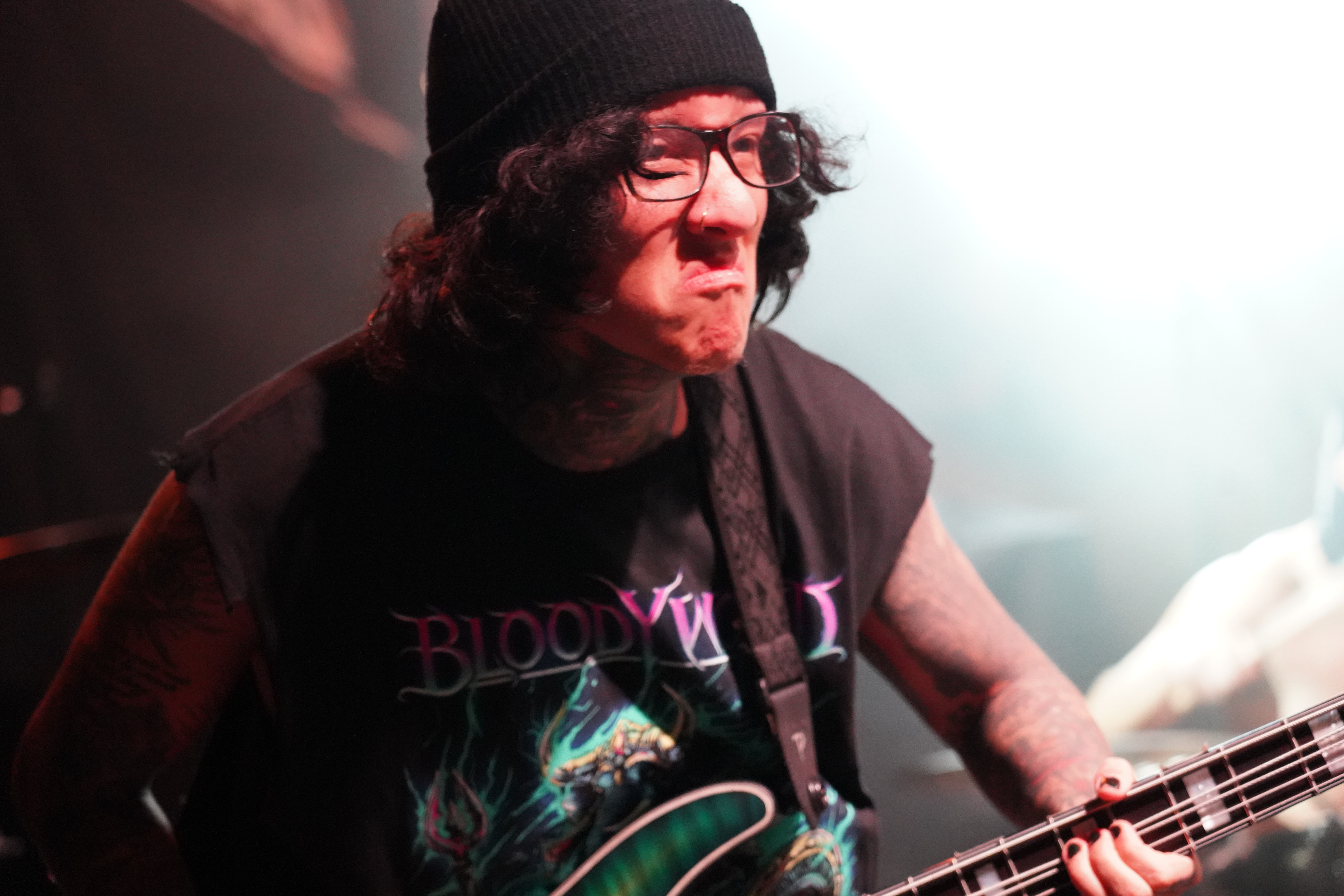
For Eileen, one of the most striking parts of Ladrones' set was hearing Spanish used so naturally inside a heavy framework. She noted that, as someone who had taken Spanish in school and forgotten more of it than she expected, hearing lyrics she could still partially understand gave the set a personal kind of immediacy. Even more than that, hearing people around her sing along in Spanish created what she described as a genuinely wholesome atmosphere.

That observation gets at what makes Ladrones such a smart addition to this tour. They do not dilute their identity to fit into a broader metal package. They bring it with them, intact. And in Portland, that meant the language itself became part of the show's emotional texture - not a barrier, but another way the room found connection.
The Pretty Wild were the turning point where the room really started moving
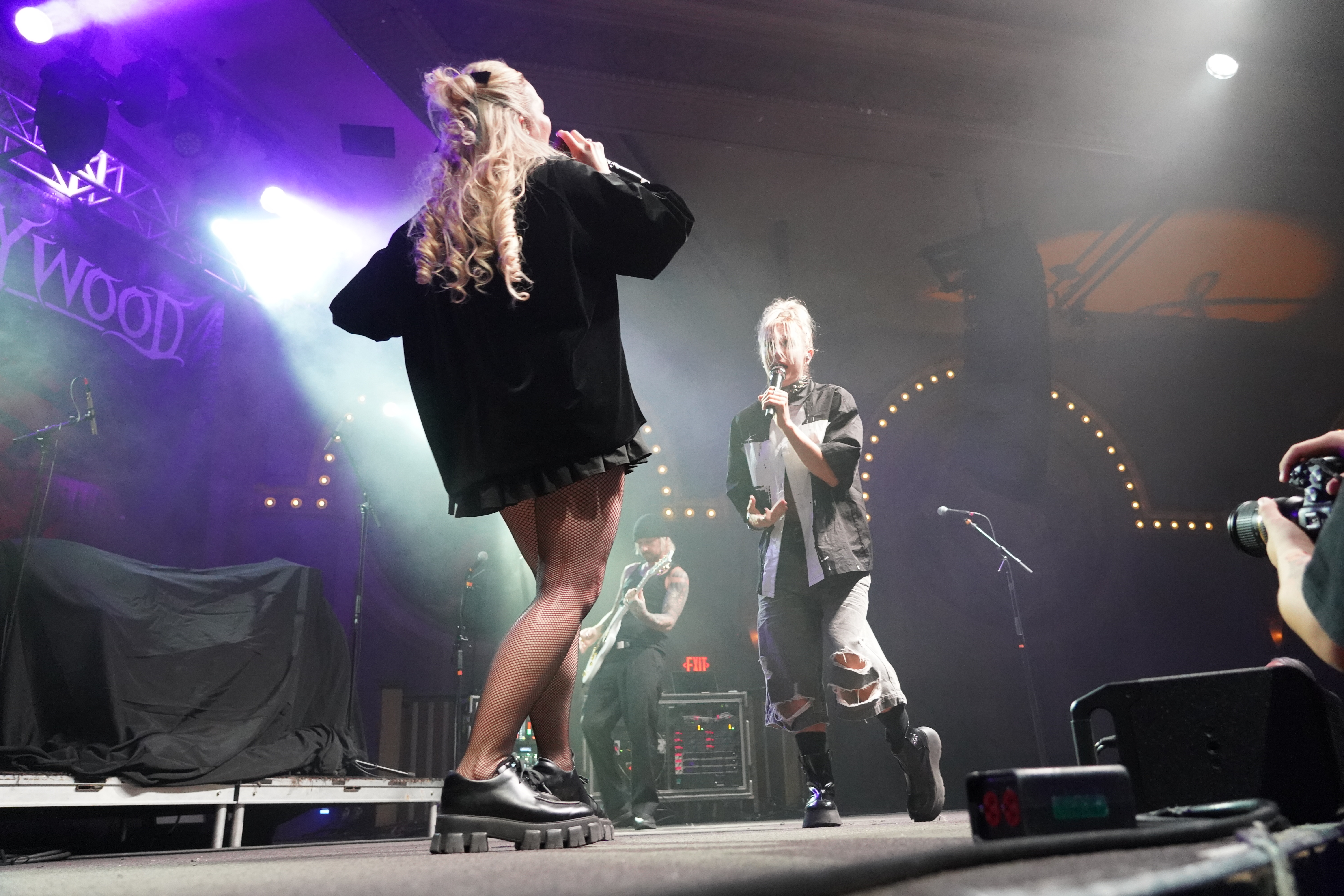
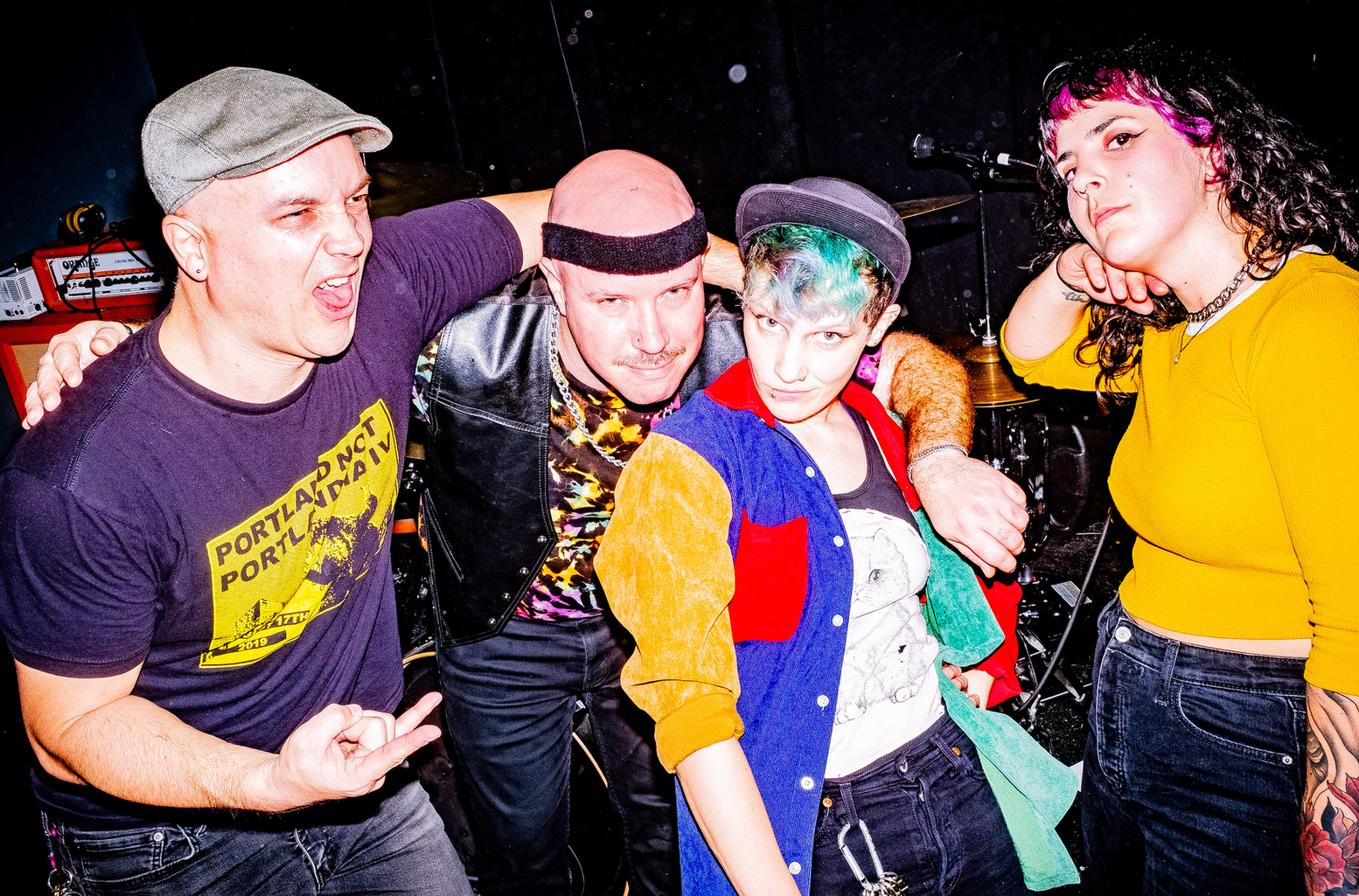
By the time The Pretty Wild hit the stage, the crowd had already seen two very different forms of intensity. What the Las Vegas duo brought was something else: a more theatrical, sister-linked chemistry that pushed the room into motion in a different way.
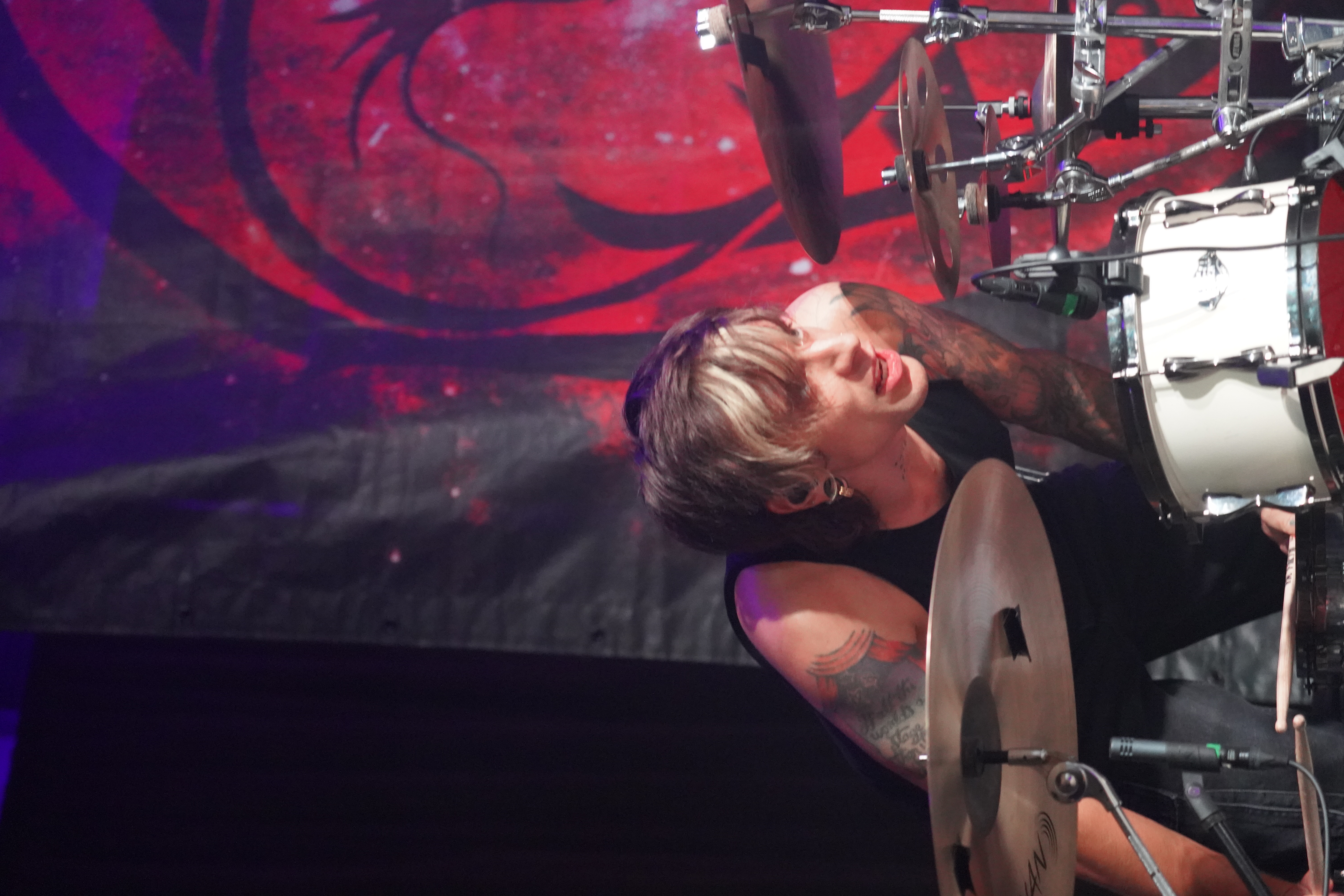
Eileen specifically pointed out how interesting it was to watch two singers who are sisters work together on stage. Their voices seemed to lock into each other naturally, harmonizing in a way that made the whole performance feel tighter and more instinctive. This was also the point in the night where she really started noticing the crowd move - people dancing, jumping, and giving in to the physicality of the set rather than just watching it.
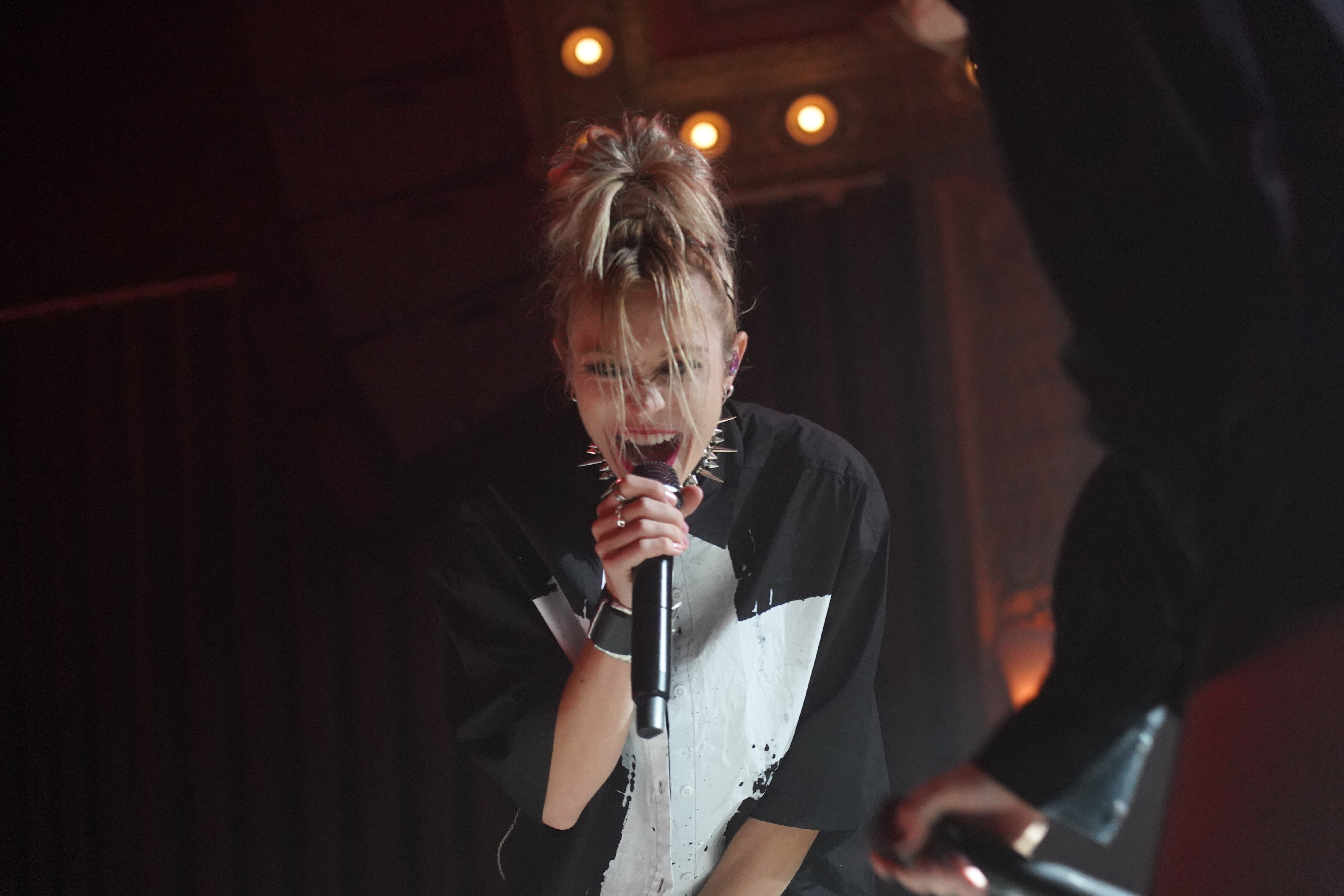
That mattered in the pacing of the bill. The Pretty Wild felt like the bridge between the earlier openers and the full-on release Bloodywood would later trigger. They shifted the room from engaged to active.
Bloodywood hit after a wait - then detonated the whole room
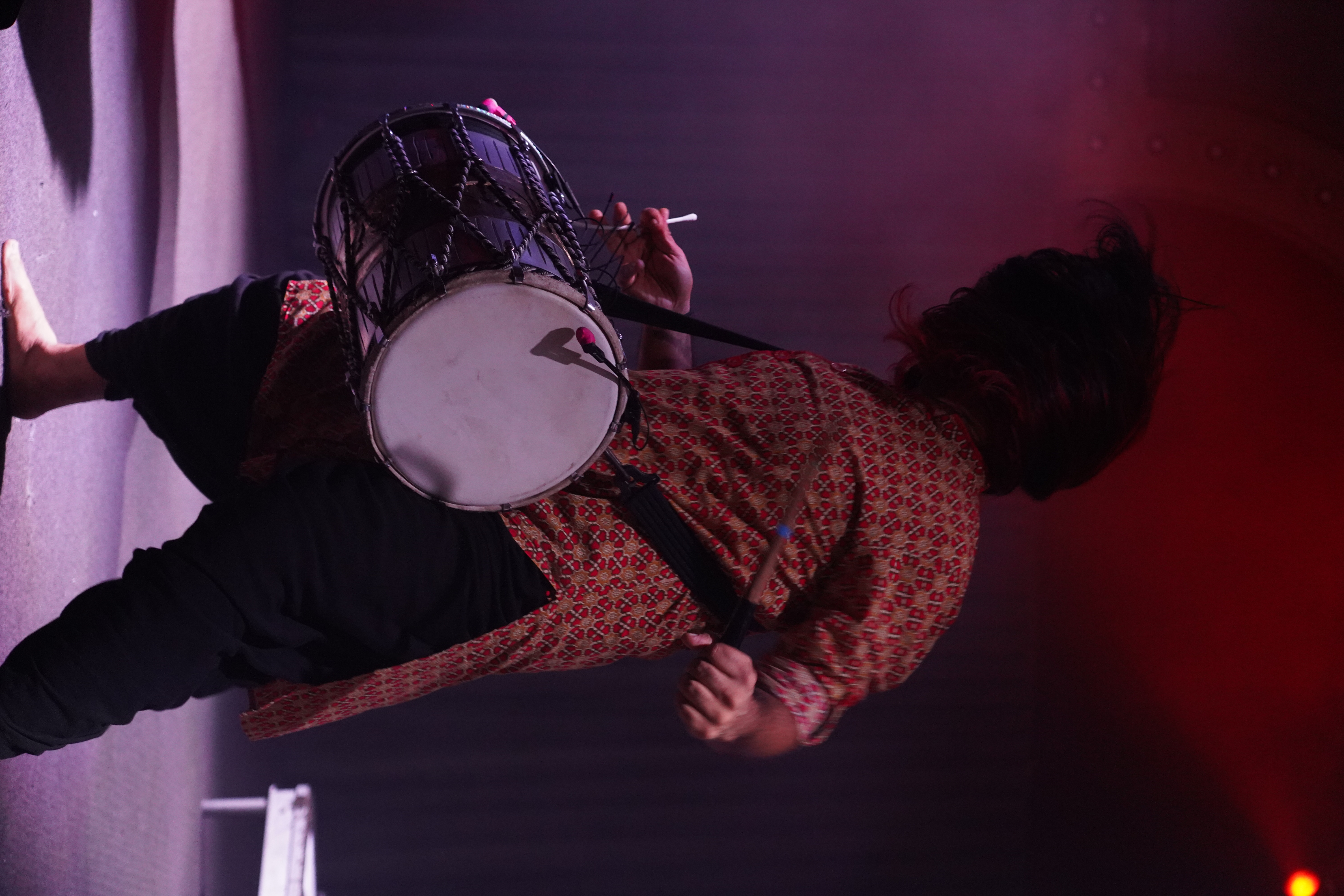
Headliners Bloodywood came into Portland with plenty of current momentum behind them. They are no longer just "the band with the cool concept." They are a real international live force, and the room treated them like one.
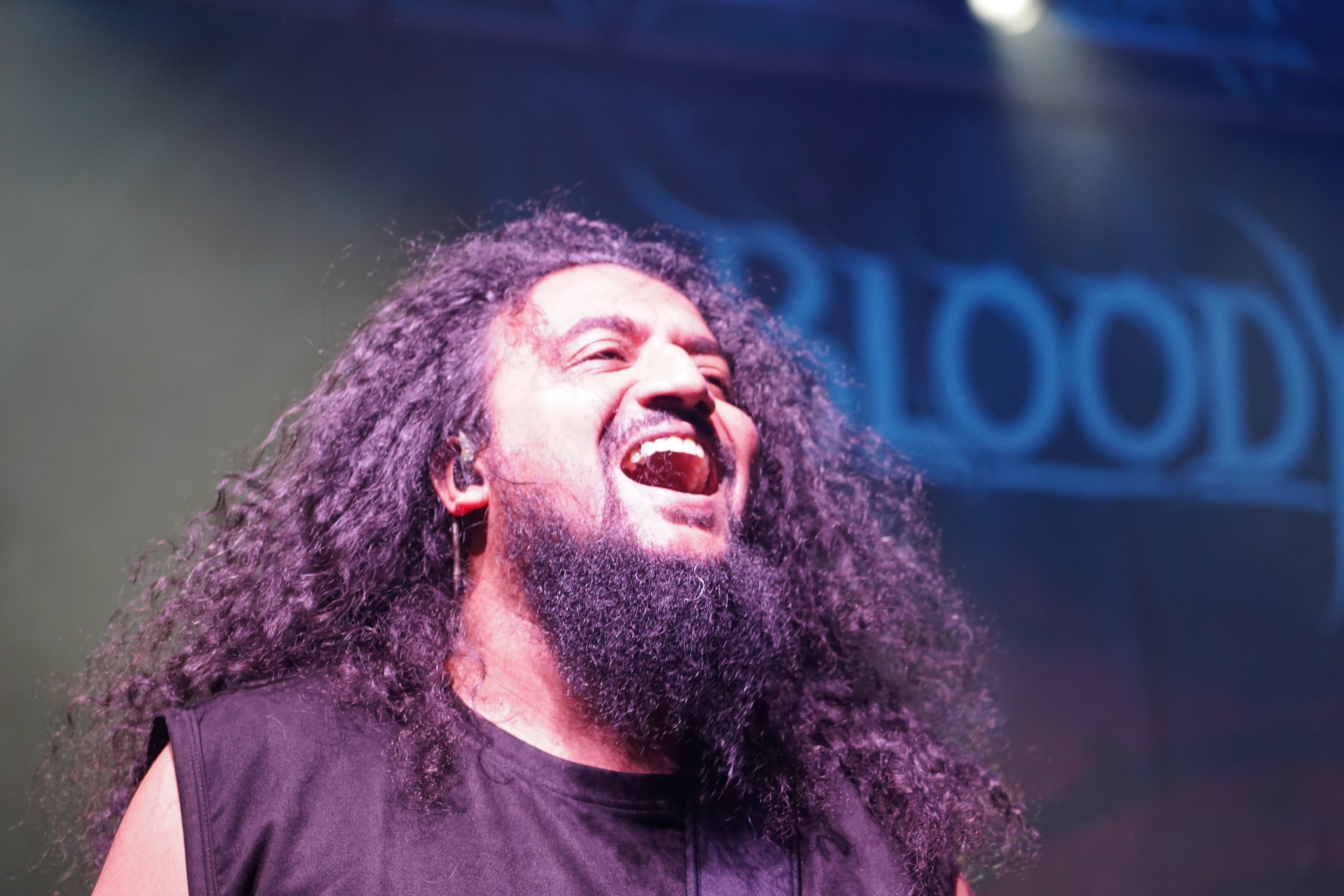
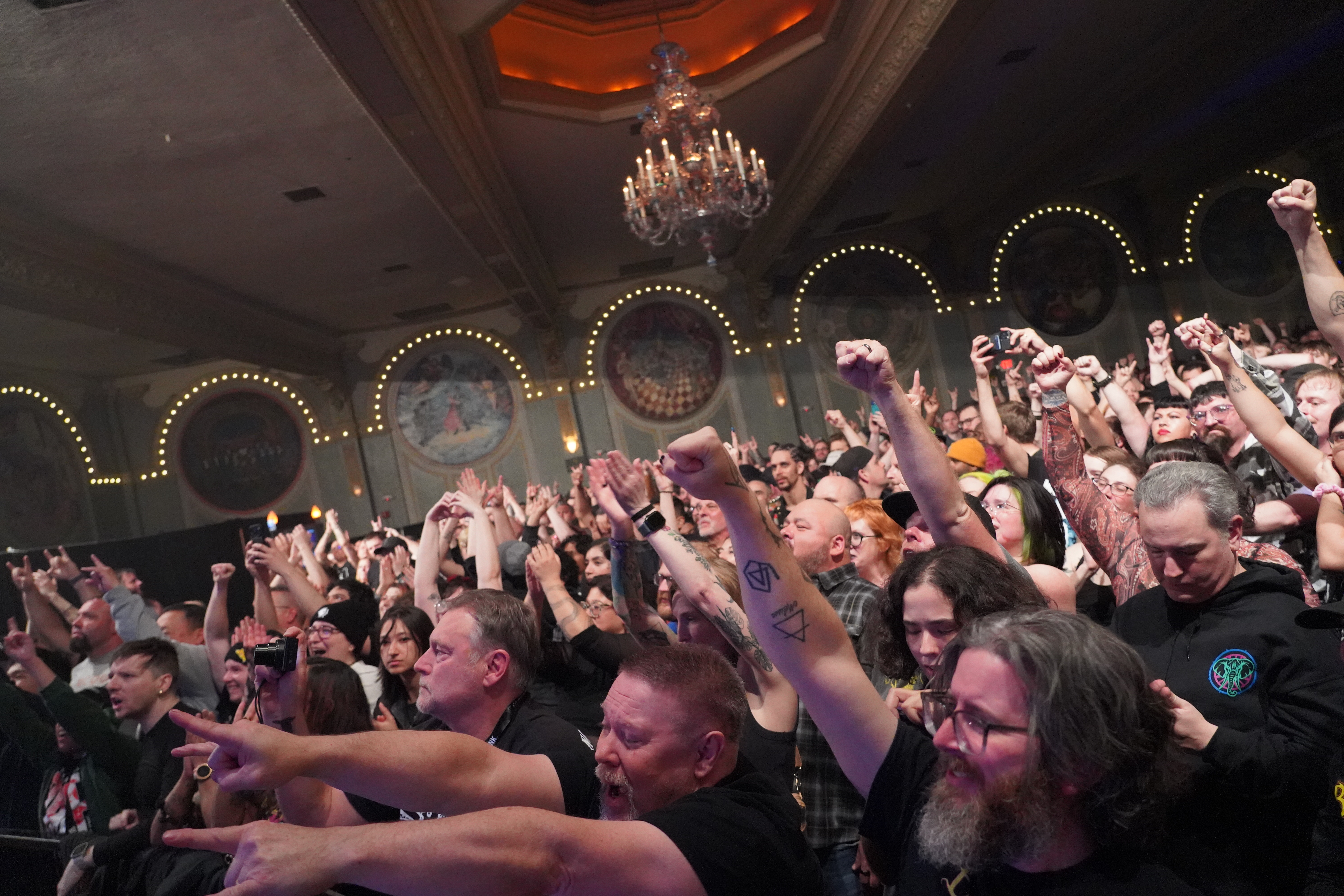
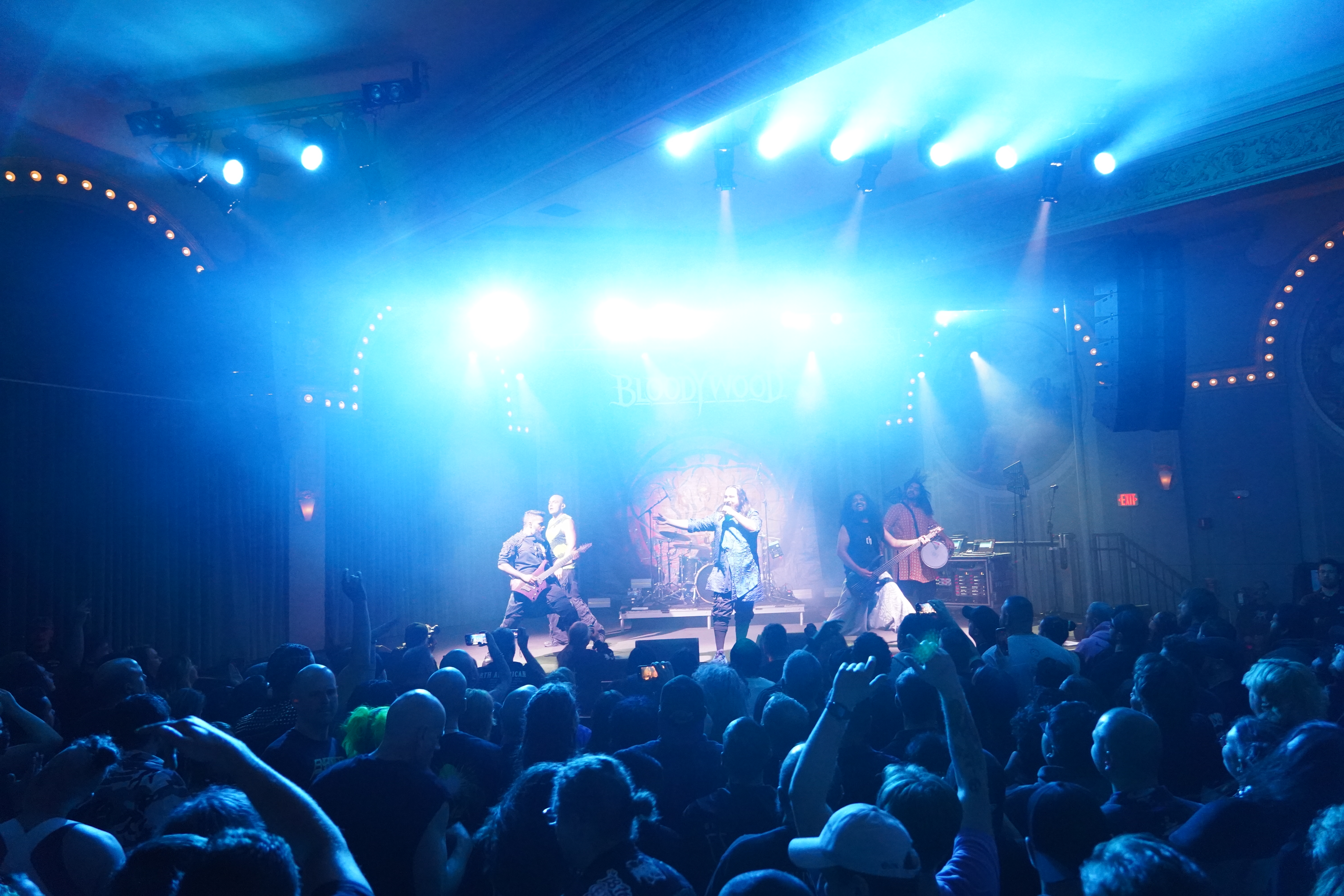
Eileen noted that the wait for Bloodywood was about 30 minutes, and that the lead singer's mic sounded a little low at the very beginning. But once the set really clicked, that issue disappeared under everything else the band was doing. In her words, Bloodywood were the act that got the crowd the most hyped by far. She heard the loudest scream-alongs of the night during their songs, and saw more jumping and dancing during their set than from any other band on the bill.
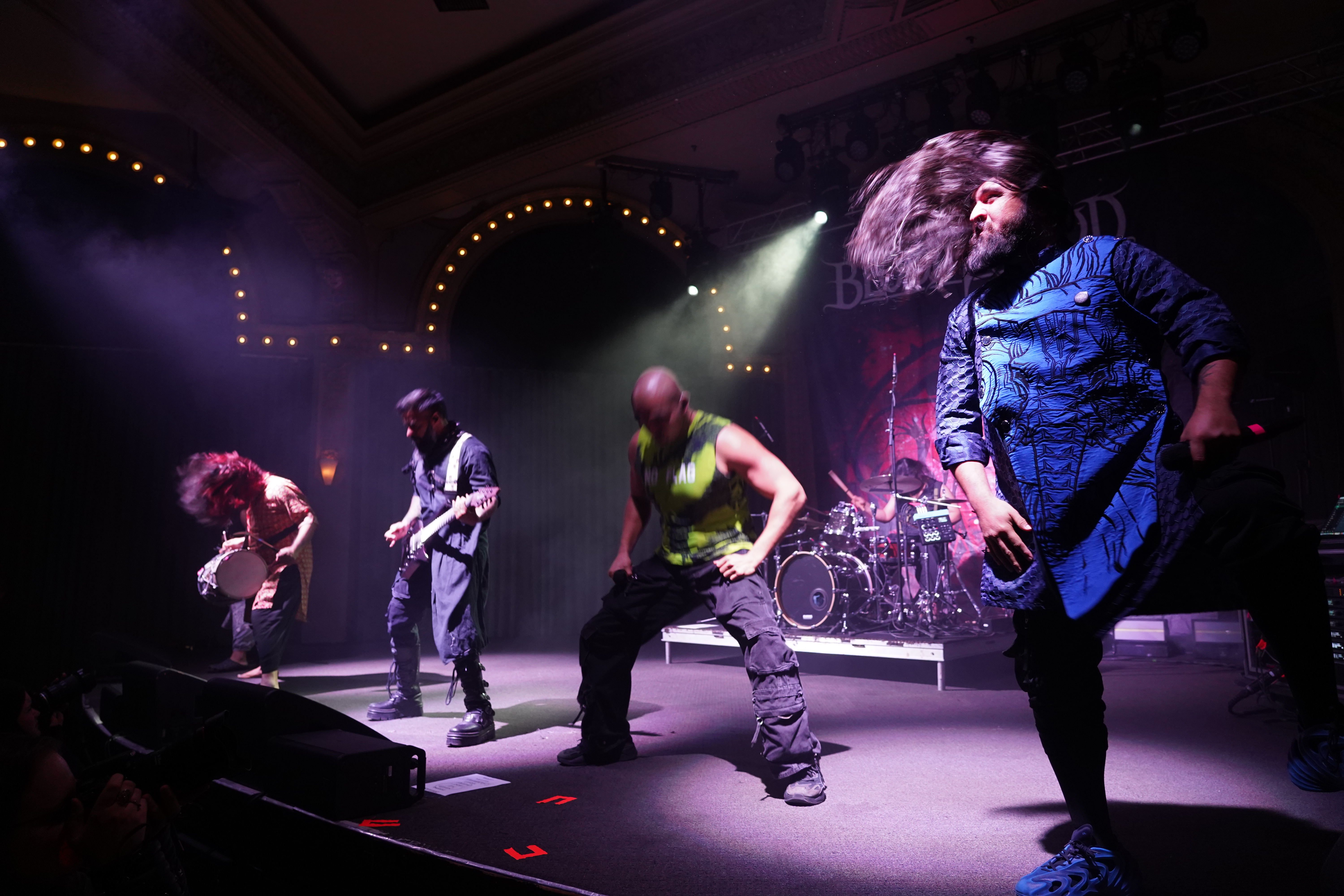
The lights helped push that over the top. Eileen described them as intense, which matched the vocals and gave Bloodywood exactly the kind of closing-band atmosphere the lineup had been building toward. By the time they were in full stride, the room was not just watching a headliner finish the job - it was reacting like the whole night had been engineered to land right there.
What made this stop work
What made this Portland date feel worth documenting is that every act gave the crowd a different reason to care. ANKOR brought precision and theatricality. Ladrones brought language, identity, and warmth inside heaviness. The Pretty Wild brought sibling chemistry and the first real visible wave of movement in the room. Bloodywood brought the full release.
That is what made the Crystal Ballroom stop feel bigger than just a good metal show. It felt global without feeling forced, and varied without ever getting incoherent. The lineup made sense because no one was trying to sound like anybody else. Each band brought its own world, and Portland got to watch those worlds hit one after another until the whole room finally broke open.
The Music Coast takeaway
Built from Eileen Crawford's notes, the strongest truth from this show is simple: this lineup worked because it trusted contrast.
Instead of flattening the night into one sound, the tour let each act sharpen the next one. By the time Bloodywood closed, Portland had already moved through anime-metal drama, Spanish-heavy aggression, sister-fronted theatrical metal, and finally into Bloodywood's full-on crowd detonation.
That is what made Crystal Ballroom feel less like a venue stop and more like an event.